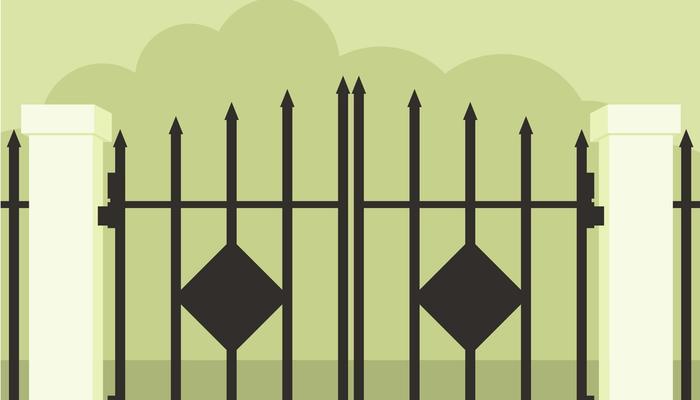
The Importance of Setting Boundaries in Relationships
November 22, 2025
Boundaries aren't walls that keep people out—they're guidelines that help relationships thrive. Yet many of us struggle with setting and maintaining healthy boundaries, often feeling guilty or selfish when we prioritize our own needs.
What Are Boundaries, Really?
Boundaries define where you end and another person begins. They're about honoring your values, protecting your energy, and communicating your limits clearly. Healthy boundaries aren't rigid or inflexible—they're respectful agreements that benefit everyone involved.
Signs You Need Better Boundaries
Feeling resentful after saying yes. Exhaustion from over-giving. Difficulty saying no without elaborate explanations. Tolerating disrespectful behavior. If any of these resonate, your boundaries might need reinforcement.
Types of Boundaries to Consider
Physical boundaries protect your personal space and comfort with touch. Emotional boundaries separate your feelings from others' feelings and protect you from manipulation. Time boundaries ensure you have space for rest, hobbies, and self-care. Mental boundaries protect your thoughts, values, and opinions from criticism.
Why Boundary-Setting Feels Hard
Many of us learned that being "good" means being available, agreeable, and selfless. Cultural messages, family dynamics, and past relationships shape how comfortable we are with boundaries. Women especially are socialized to prioritize others' comfort over their own needs.
How to Start Setting Boundaries
Start small with low-stakes situations. Use clear, direct language: "I'm not available that day" instead of elaborate excuses. Prepare for discomfort—boundary-setting can feel awkward at first, and that's okay. Remember that "no" is a complete sentence.
Handling Pushback
People used to your boundaryless behavior might resist your changes. Some may guilt-trip, manipulate, or get angry. This isn't a sign you're doing something wrong—it's often a sign you're doing something necessary. The people who truly care about you will respect your boundaries.
Boundaries in Different Relationships
With family, you might limit topics of conversation or frequency of visits. With friends, you might stop being available 24/7 for crisis management. With partners, you might protect alone time or express needs more directly. At work, you might stop answering emails after hours.
The Paradox of Boundaries
Setting boundaries doesn't push people away—it creates space for authentic connection. When you're not exhausted and resentful, you can show up more genuinely in your relationships. Boundaries are an act of self-respect and, ultimately, an act of love.
Therapy Can Help
If boundary-setting feels impossible, therapy provides a safe space to explore why. A therapist can help you identify your needs, practice assertive communication, and work through guilt or fear that keeps you stuck in unhealthy patterns.
Your needs matter. Your comfort matters. Your time and energy matter. Setting boundaries isn't selfish—it's essential for your wellbeing and for building relationships based on mutual respect rather than obligation.